Community-Academic
Feasibility Study
FC3’s flagship initiative is a cancer feasibility study designed to assess whether a larger, community-driven epidemiological study can and should be conducted in Flint.
This study responds directly to residents’ concerns about unusual and aggressive cancer patterns – particularly in the wake of the Flint Water Crisis – and seeks to determine if those patterns may be linked to geography, environmental exposures, or occupation.
The study is guided by the following goals:
- Determine Viability and Ethics: Assess whether a full-scale environmental epidemiology study can be conducted ethically, safely, and effectively.
- Center Community Voice: Ensure Flint residents shape the study’s direction, priorities, and interpretation of findings.
- Build Trust and Transparency: Promote open communication and community involvement at every stage.
- Improve Access to Data: Identify gaps in publicly available cancer data and work toward greater transparency.
- Support Prevention and Education: Begin sharing culturally relevant, accessible information about cancer and environmental health while long-term research is being planned.
MDHHS Cancer Incidence Reports
The Michigan Department of Health and Human Services (MDHHS) reviews cancer incidence trends to help communities, researchers, and public health agencies understand where cancer rates are higher, lower, or consistent with expectations. These reports summarize cancer cases over time, compare Flint and Genesee County to statewide data, and highlight key findings and limitations. Below you will find the MDHHS cancer incidence reports used by FC3 and community partners to inform research questions, feasibility assessments, and ongoing public health communication.
- This longer-term review provides ZIP-code level analysis and countywide trends over 30 years.
- Genesee County’s overall cancer incidence was higher than Michigan for most of 1985–2015.
- ZIP code 48505 had the greatest number of elevated cancer types (11 higher-than-expected) as well as several lower-than-expected cancer sites.
- Some ZIP codes had higher-than-expected rates, others lower—showing variation across the county.
- Like all MDHHS reviews, results are descriptive and cannot determine whether cancer is linked to environmental exposures.
- Source: Genesee County, Michigan Cancer Incidence Review, 1985–2015
- Flint had a higher incidence of lung and bronchus, larynx, stomach, and prostate cancers than Michigan overall.
- Flint had lower incidence of cancers such as ovary, testes, urinary bladder, and brain/CNS.
- Limited cancer types could be analyzed annually due to small case numbers.
- The report does not determine causes of cancer or link cancer rates to specific environmental exposures.This MDHHS report examines cancer sites associated with lead, PFAS, and trihalomethanes, based on what has been reported in scientific literature. Key findings include:
- Source: Cancer Incidence Data Review, City of Flint, Michigan, 2000–2018
CDC Guidelines: Examining Unusual Patterns of Cancer & Environmental Concerns
These updated CDC guidelines outline how state and local health departments evaluate community cancer concerns, including stakeholder engagement, statistical methods, and environmental context. The guidelines clarify what counts as an “unusual pattern,” outline investigation steps, and highlight limitations such as latency, small numbers, and migration. Source: CDC Guidelines for Examining Unusual Patterns of Cancer and Environmental Concerns.
Feasibility Panel Members
This project is supported by the National Minority Quality Forum and the Michigan Department of Health and Human Services, with active contributions from our anchor partners the Greater Flint Health Coalition, Genesee Health Plan, Community Based Organization Partners (CBOP), the Flint Public Health Youth Academy, and community leaders and local residents.

Nichole Smith-Anderson
Greater Flint Health Coalition
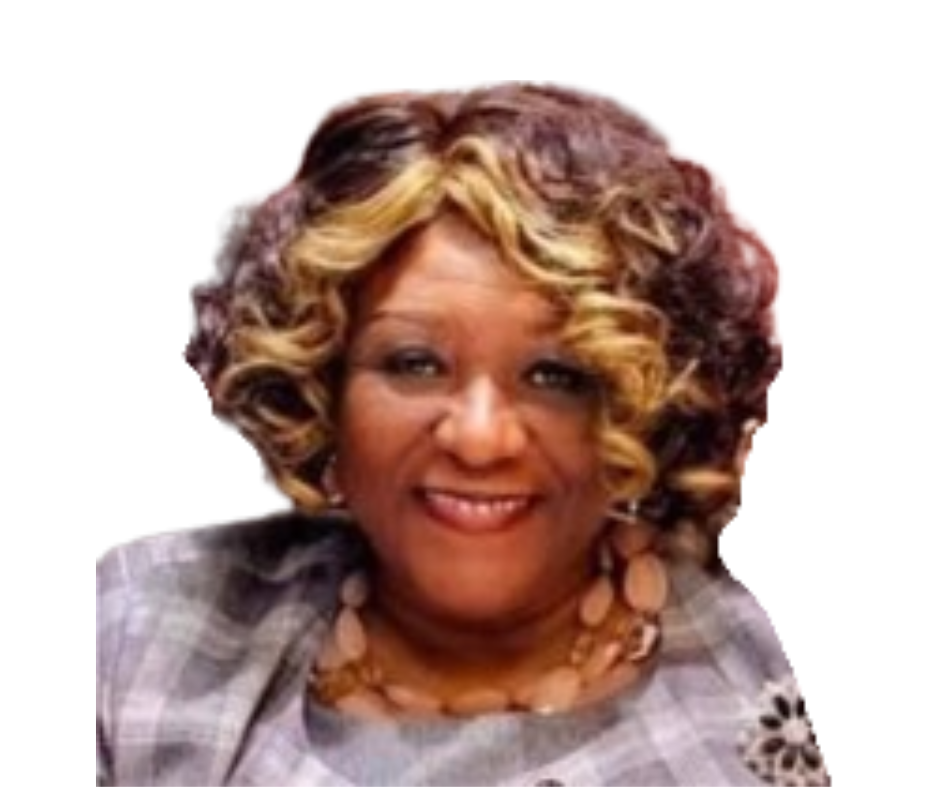
Rev. Dr. Sarah Bailey
Michigan Institute for Clinical and Health Research,
Flint Public Health Youth Academy
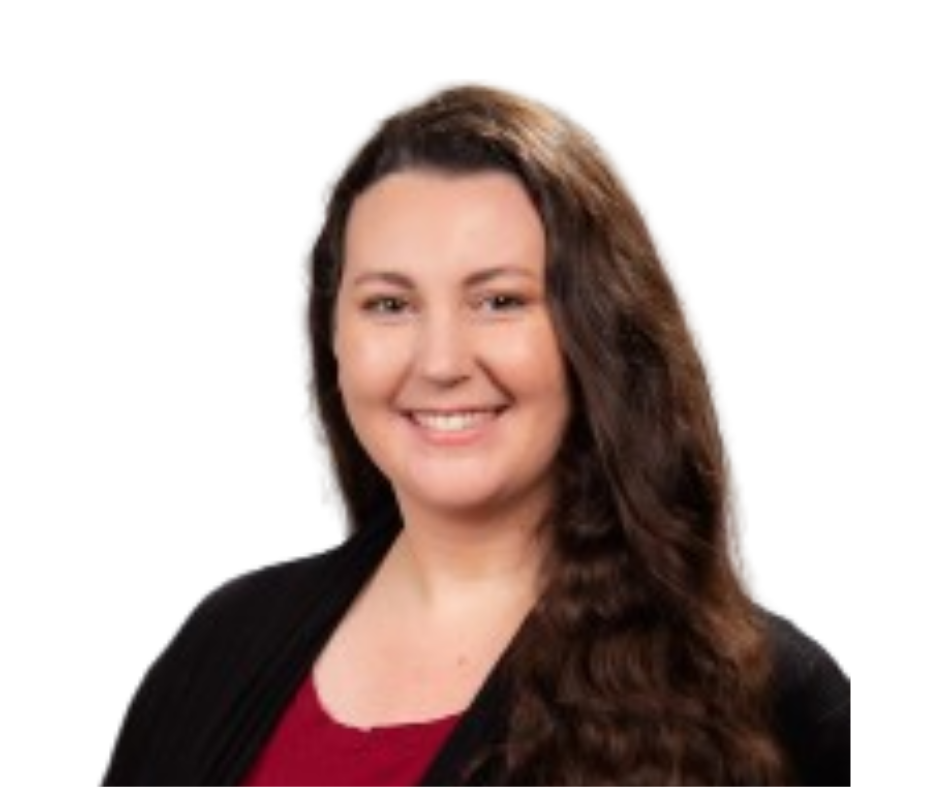
Katie Chavez
National Minority Quality Forum

Dr. Justin Colacino
University of Michigan
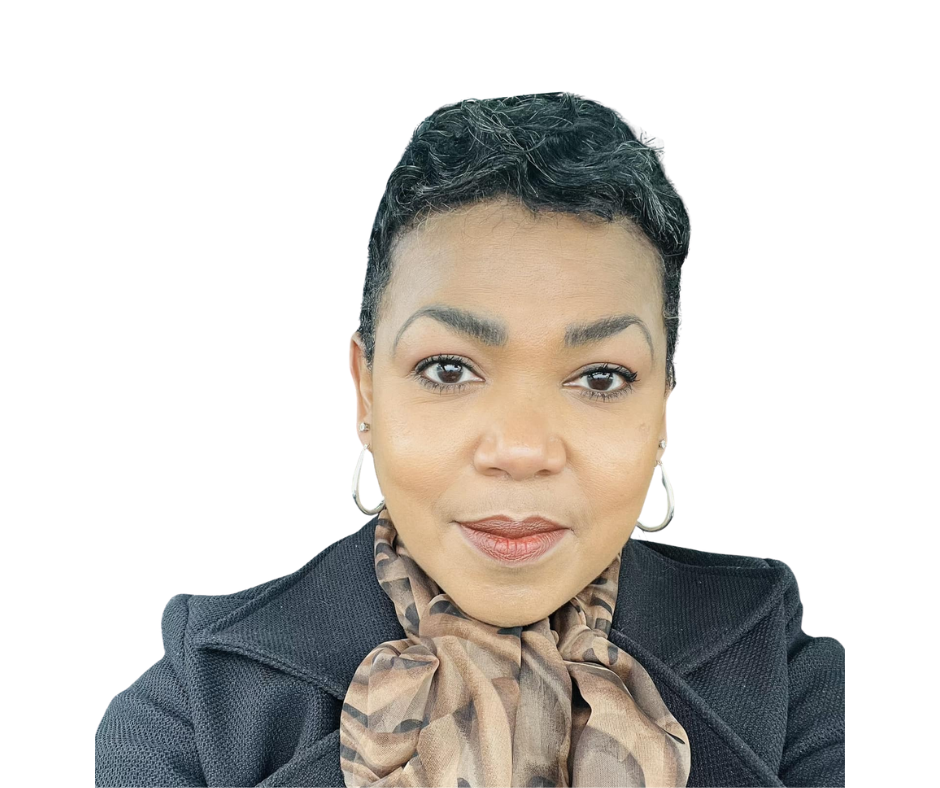
Chennelle Dismond
JPMorgan Chase Bank
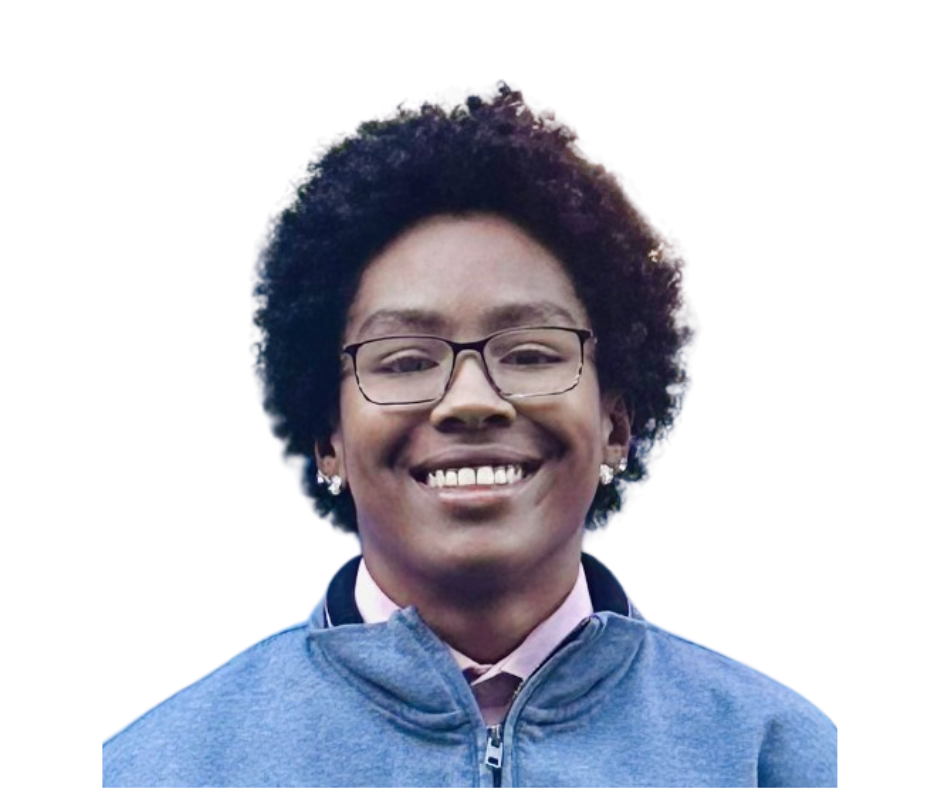
Asia Donald
Flint Public Health Youth Academy
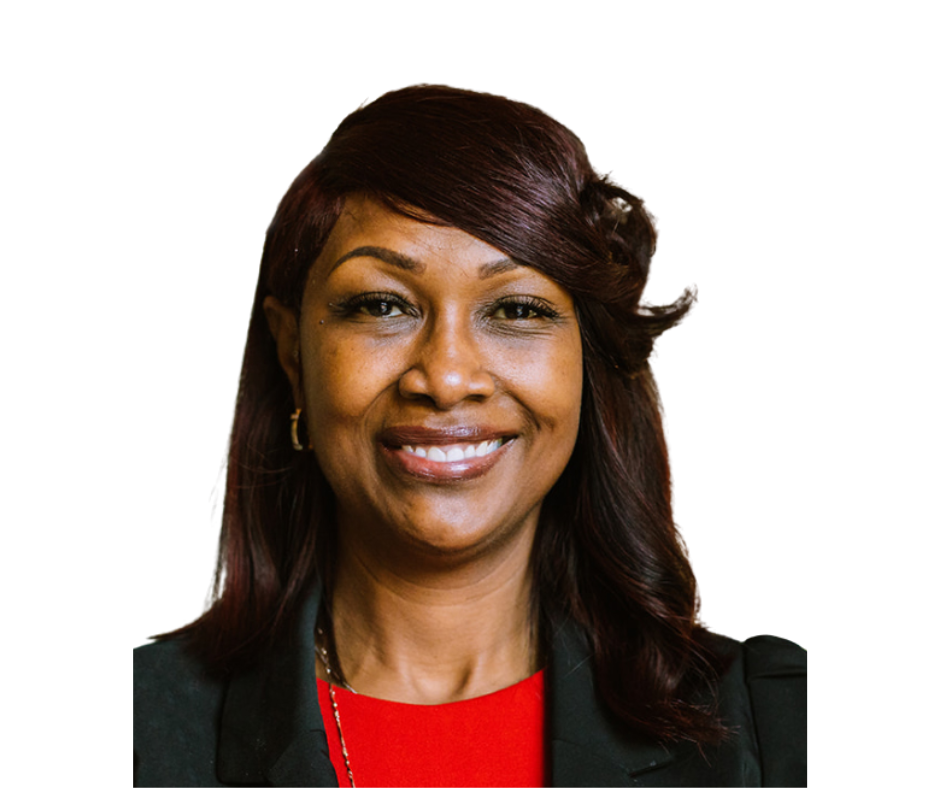
Dr. Kenyetta Dotson
Michigan State University

Dr. Jennifer Edwards-Johnson
Michigan State University

Luther Evans
Community Based Organization Partners

Roy Fields
Community Member
Dr. Latressa Gordon
Michigan United

Dr. Kent Key
Michigan State University,
Flint Public Health Youth Academy
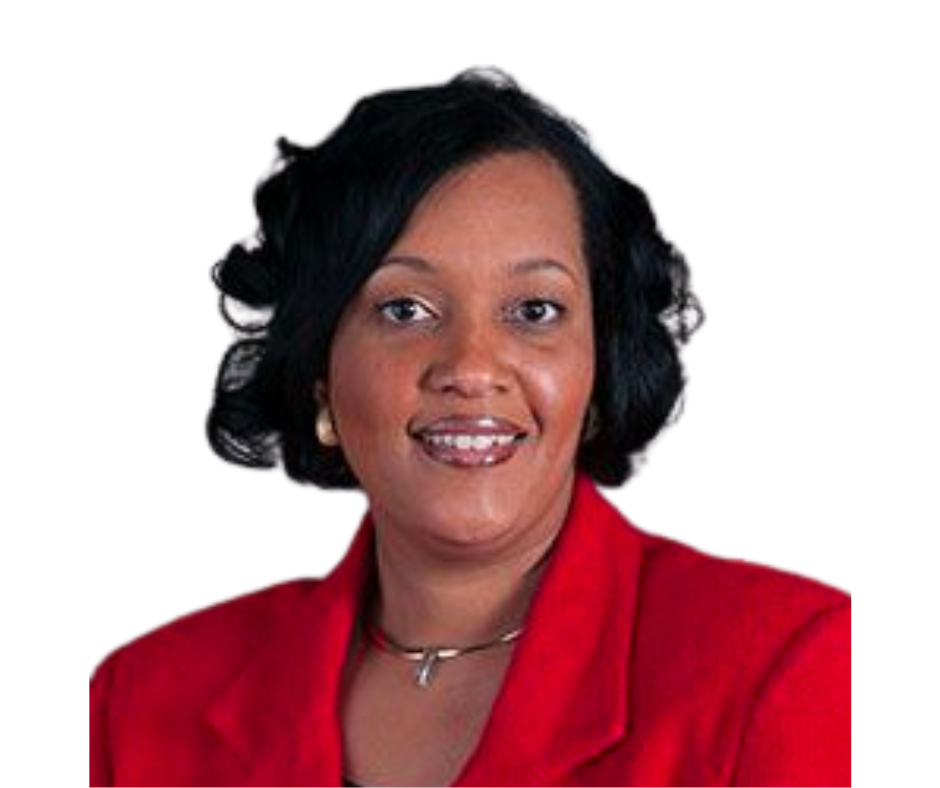
Tarnesa Martin, "Nurse T"
Hurley Medical Center
Athena McKay
Flint Innovative Solutions

Jim Milanowski
Genesee Health Plan
Dr. Celeste Leigh Pearce
University of Michigan
Dr. Heatherlun Uphold
Michigan State University

Arthur Woodson
Community Activist